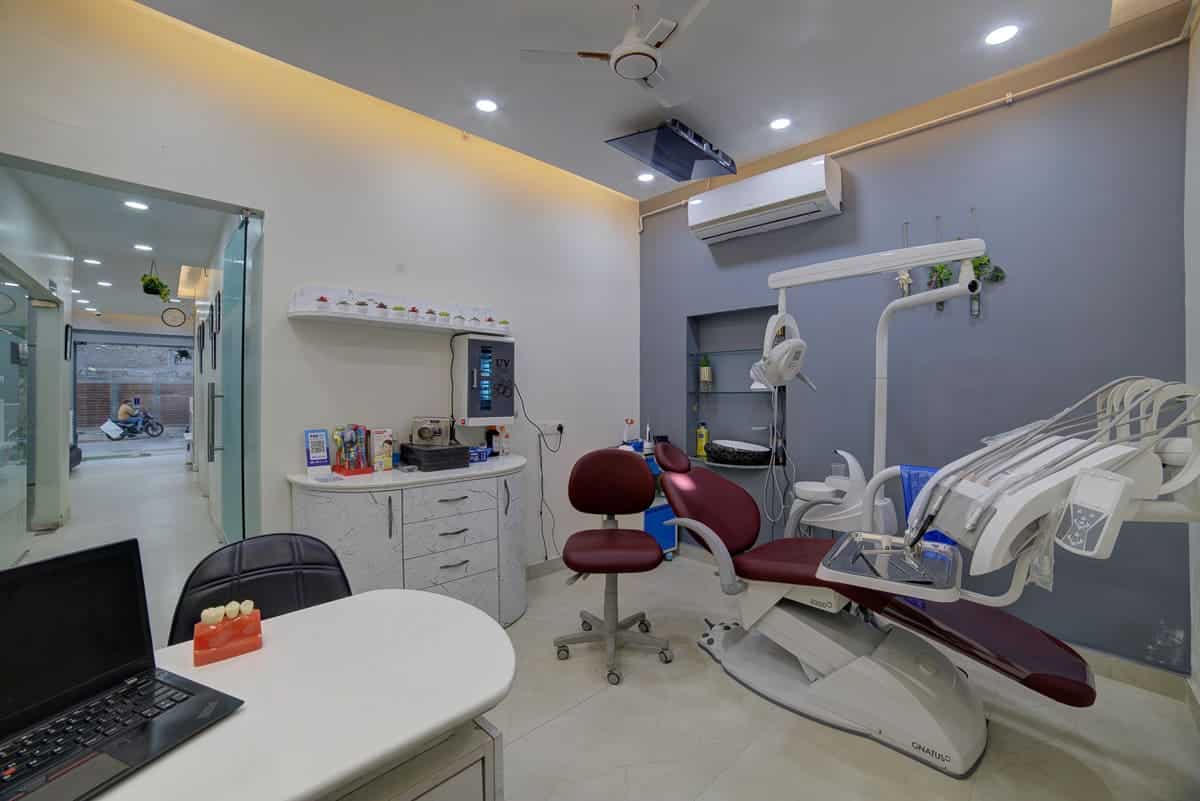
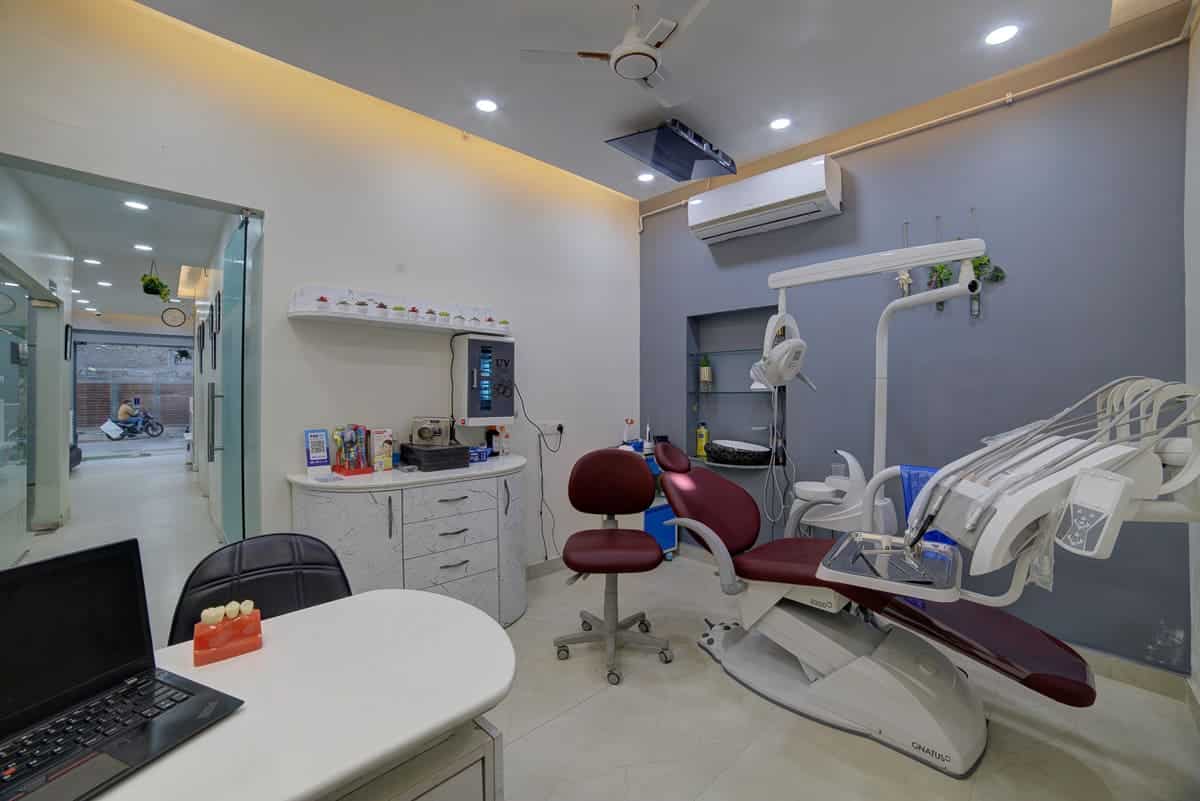
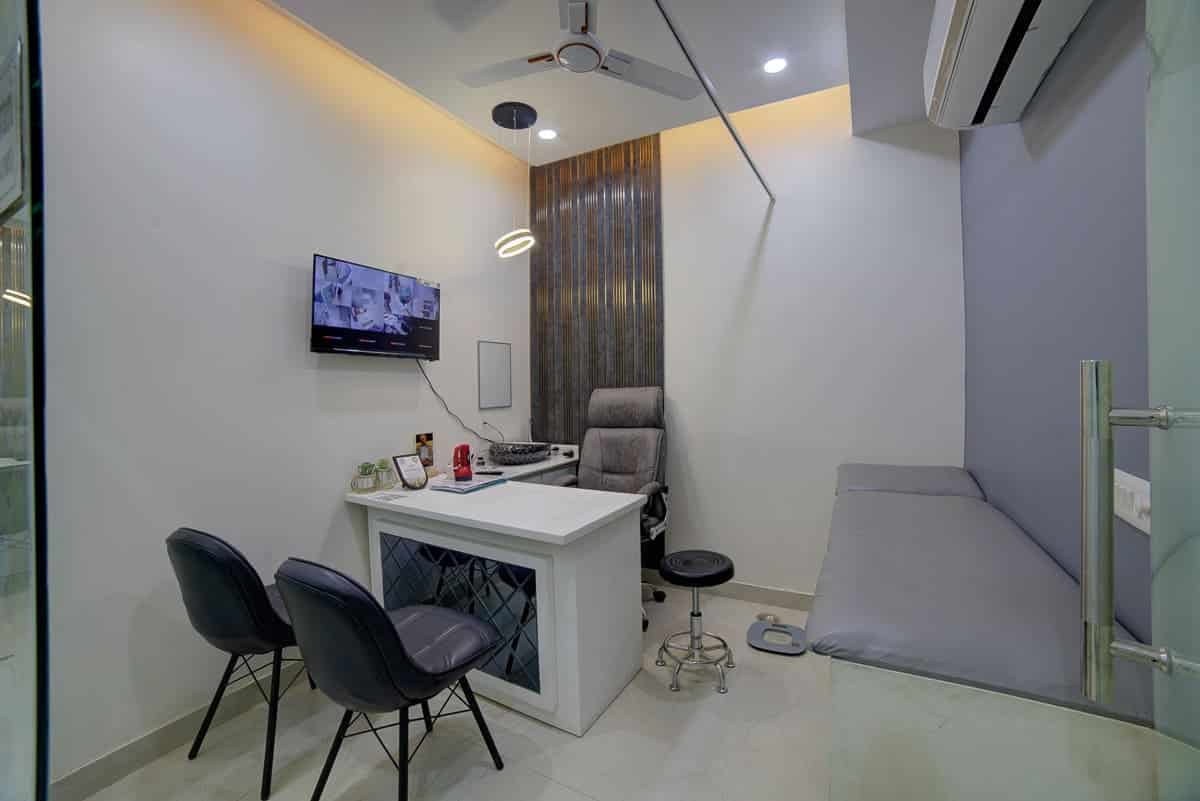
A dental bridge fills the gap left by a missing tooth. It is made of a false tooth (pontic) joined to crowns that fit over the healthy teeth on each side of the gap. Many families choose our dental clinic in Krishna Nagar for fixed bridges that look and feel natural.
Unlike a removable denture, a bridge is cemented in place and does not come out. It restores your bite and smile, and stops neighbouring teeth from drifting into the gap.
A bridge is a good option for many patients with one or two missing teeth in a row.
A bridge is ideal for replacing one or two missing teeth next to each other. It gives a fixed result in just a few visits, without surgery.
The teeth on either side of the gap need to be strong enough to support the bridge. Dr Mani checks them with an X-ray before recommending treatment.
If the teeth beside the gap already have large fillings or need crowns, a bridge can restore them and replace the missing tooth at the same time.
When bone is thin or surgery is not advised for medical reasons, a bridge is a reliable fixed alternative to a dental implant.
After a tooth is lost, nearby teeth can tilt or move. Filling the gap with a bridge keeps your other teeth in position and your bite even.
Gaps can make chewing uncomfortable and put extra load on other teeth. A bridge spreads biting forces evenly so you can eat normally again.
A bridge is usually completed in two visits, with a temporary bridge fitted in between.
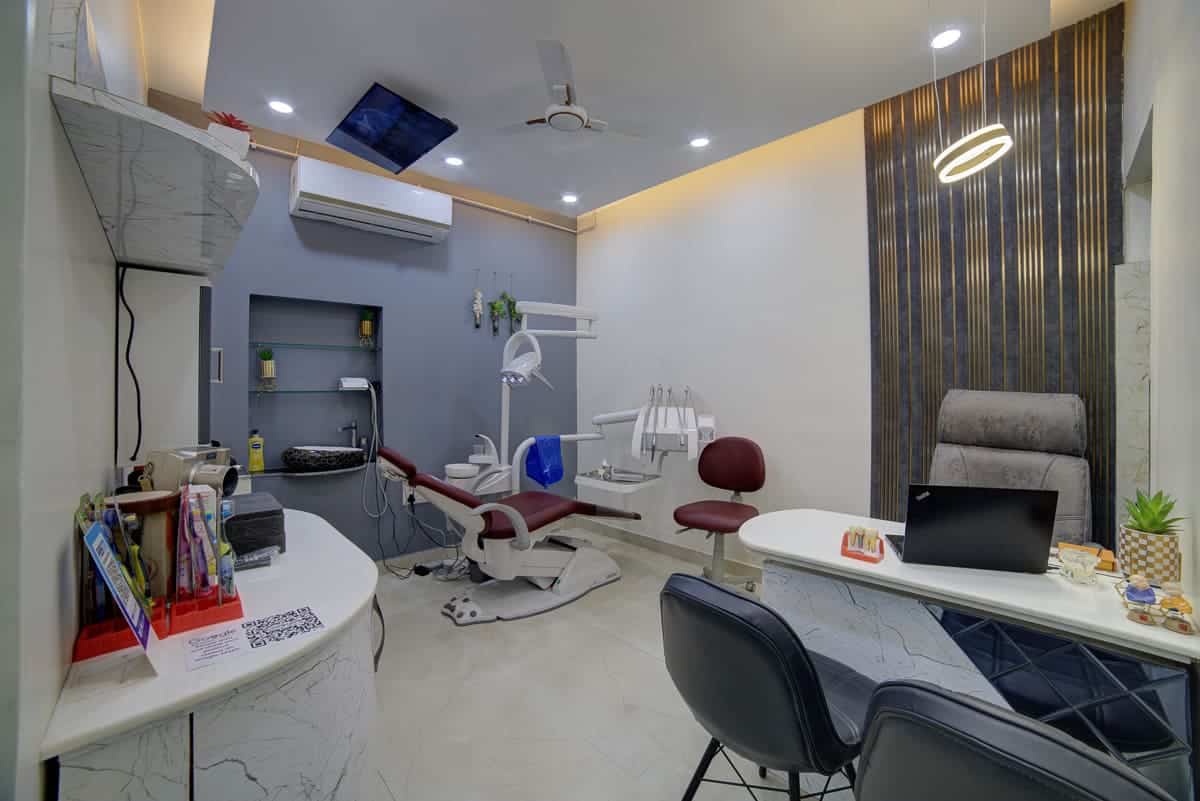
Dr Mani checks the gap and the supporting teeth, and discusses bridge and implant options.
The supporting teeth are numbed and shaped to hold the crowns.
A mould or scan is taken and the shade is matched to your smile.
A temporary bridge protects the teeth while yours is made.
The final bridge is checked for fit and bite, then permanently cemented.
A bridge is cemented, so it never needs to be taken out.
Treatment is usually finished in two visits, without surgery.
Ceramic or zirconia bridges are matched to your tooth shade.
Filling the gap stops neighbouring teeth from shifting.
Book a consultation to find out whether a bridge or an implant is best for you.
A bridge needs the same daily care as natural teeth, plus cleaning under the false tooth where food can collect.
The cost of a bridge depends on the number of teeth involved and the material. Dr Mani explains the options, including implants, and their costs before you decide.
Nervous about the dentist? Tell us. Dr Mani explains each step, goes at your pace and makes sure you are comfortable before anything begins.
Instruments sterilised for every patient, every time.
Options, visits and cost explained before treatment.
Evening and Sunday appointments available.
Calm, unhurried care for children and nervous patients.
Reviews from patients of our Krishna Nagar clinic on Google.
With good care and regular check-ups, a bridge commonly lasts 10 to 15 years.
The teeth are numbed during preparation, so most patients feel only pressure.
Both work well. A bridge is quicker and avoids surgery; an implant protects neighbouring teeth. Dr Mani explains which suits you.
Yes. Once fitted, you can eat most foods, though very hard foods are best avoided.
Use a floss threader, super floss or an interdental brush once a day.
Yes, if there are strong teeth to support it. For longer gaps, implant-supported bridges may be better.
Choose a date and time that suits you. Appointments are available 7 days a week, 9 AM to 9 PM, at our clinic on Krishna Nagar Main Road.