
One implant and one crown to replace a single missing tooth without touching the teeth on either side.
Dental Implant in Krishna Nagar
Dental Implant in Krishna Nagar
A dental implant replaces the root of a missing tooth with a titanium post fixed into the jawbone, then a crown on top, planned and placed by an experienced dentist. Unlike a bridge, it does not involve cutting the healthy teeth beside it, and unlike a denture, it stays in place while you eat and speak.
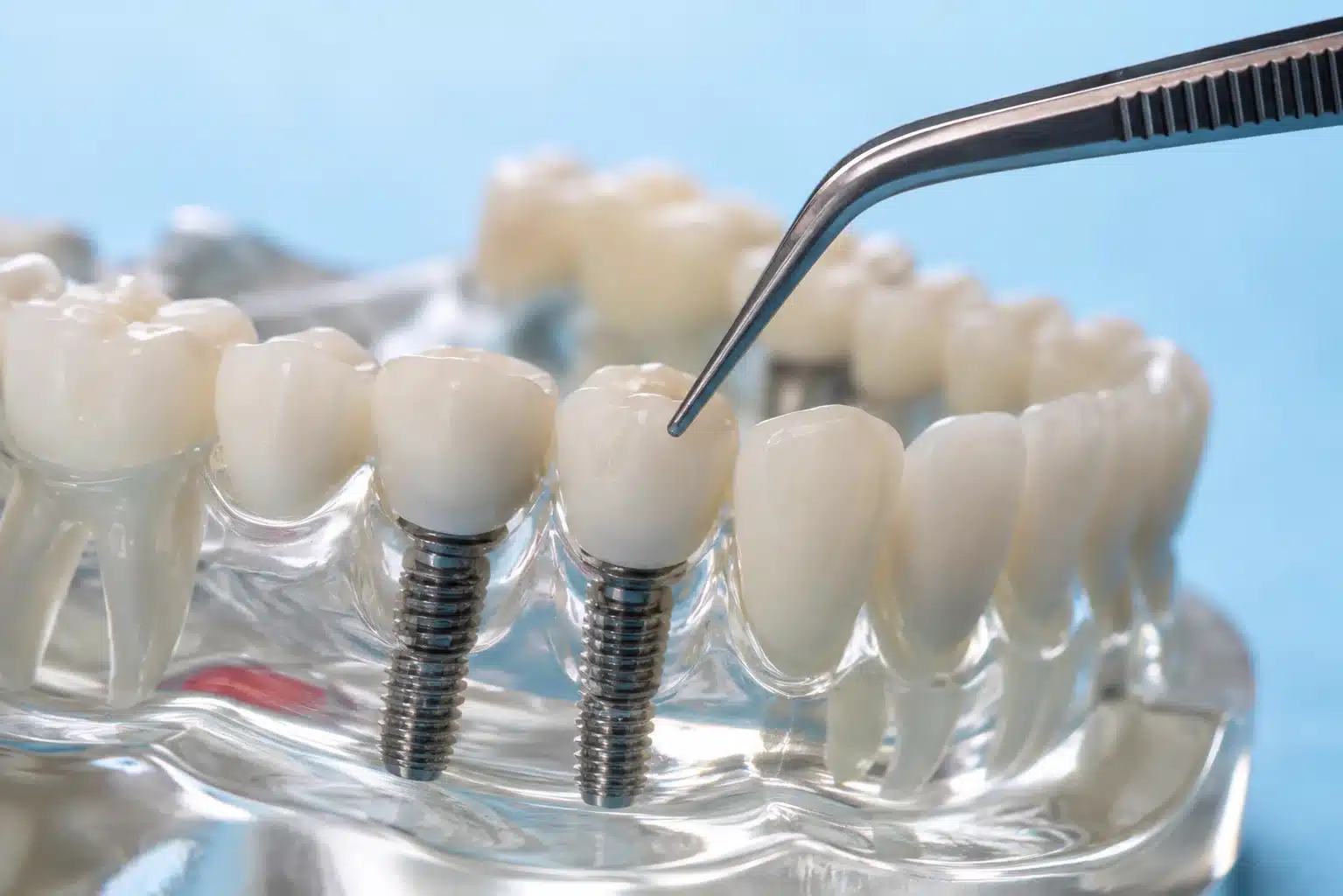
Fixed Teethreplacement teeth that stay in place
10+Years of clinical experience
1,500+Patients treated
BDS, FAAD, DSDAdvanced clinical training
7 DaysOpen 9 AM to 9 PM
TitaniumImplants that bond with your own bone
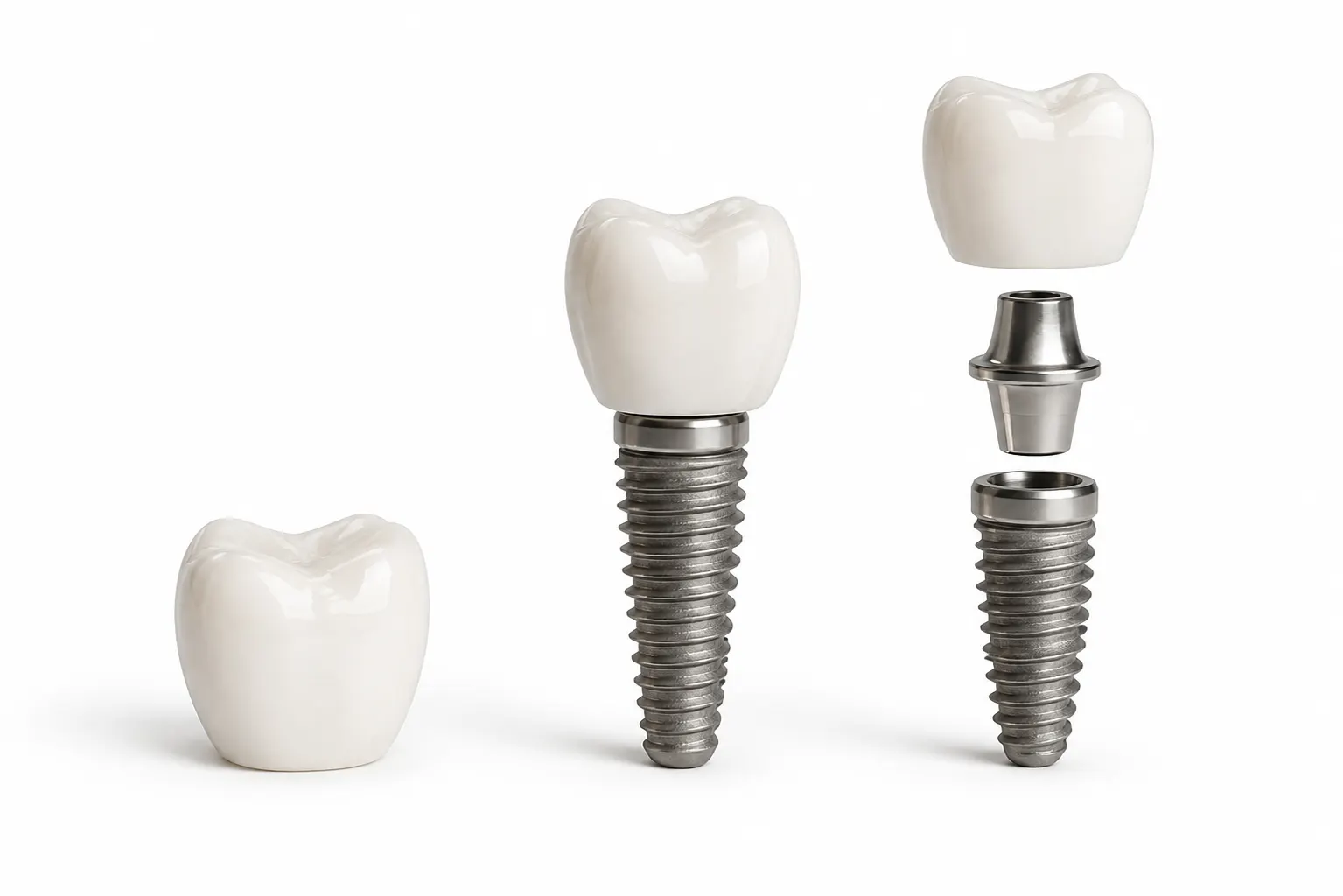
Bonds to boneThe implant fuses with the jaw over a few months
Tooth Replacement Explained
What a dental implant is and how it works
A dental implant is a small titanium post placed into the jawbone in the position of a missing tooth root. Titanium is used because bone grows onto its surface and locks it in place, a process called osseointegration. Once the implant is stable, a crown is fixed on top and the tooth is complete.
Bone needs a tooth root to stay where it is. After a tooth is lost the ridge underneath begins to shrink, the neighbouring teeth start to tilt into the space and the opposing tooth drifts down. An implant is the only tooth replacement that puts a root back into the bone, which is why it holds the surrounding structure as well as filling the gap.
01
Replaces the root, not just the toothThe post takes over the job of the natural root and keeps the jawbone loaded.
02
Leaves the neighbouring teeth aloneNo healthy tooth is trimmed down, which a bridge always requires.
03
Fixed, not removableThe crown is screwed or cemented onto the implant and stays in your mouth permanently.
Implant Treatments
Dental implant treatments we offer
What your case needs depends on how many teeth are missing and how much bone is available to hold the implants.
Separate implants placed at each missing tooth position so every replacement tooth stands on its own root.
Two or more implants carrying a fixed bridge across a longer gap, using fewer implants than teeth replaced.
Existing or new dentures anchored onto implants so they stop lifting and slipping while you eat or speak.
Fixed replacement teeth for an entire upper or lower jaw, planned in stages over several months.
Planning the implant site at the time a broken or unsavable tooth is removed, so the bone is preserved for later placement.
Do You Need an Implant?
Signs a dental implant will help
An examination and an X-ray show whether there is enough bone to hold an implant and whether it is the right option for your case.
One or more missing teeth, whether visible when you smile or hidden at the back.
A tooth that is broken or decayed too far to be saved and will need removing.
Chewing on one side only because the teeth on the other side are missing.
A denture that lifts, rubs or slips while eating or speaking.
Teeth tilting or drifting into the gap left by a tooth lost some years ago.
An old bridge that has failed, or reluctance to have healthy teeth trimmed for a new one.
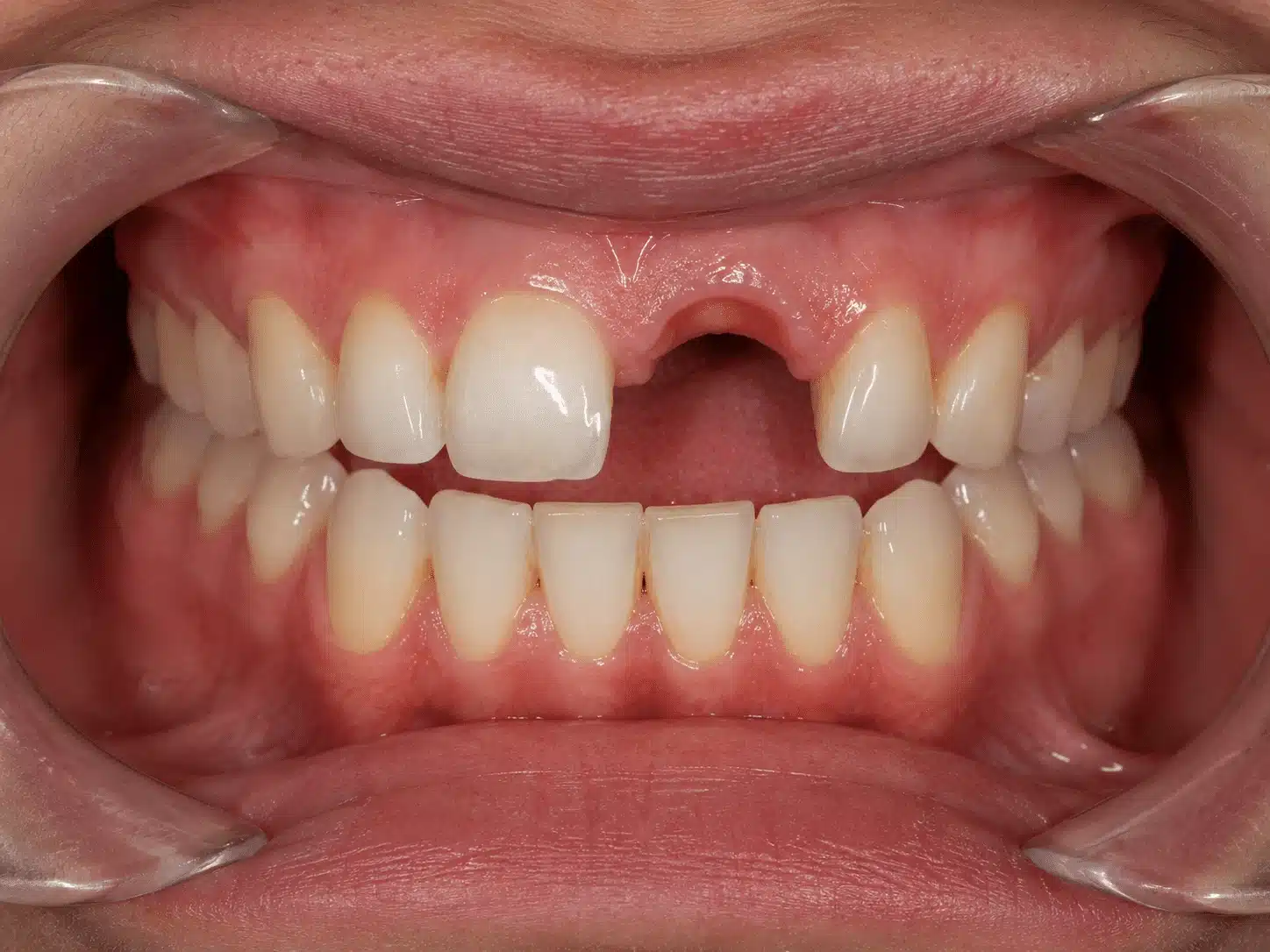
No-pressure consultationWe examine the site, check the bone on an X-ray and tell you honestly whether an implant, a bridge or a denture suits your case better.
Why It Matters
What happens when a missing tooth is not replaced
A single gap at the back is easy to ignore because it does not show. The changes it sets off are slow, and most of them are harder to correct than the original gap.
The jawbone shrinks
Bone that no longer carries a tooth root gradually reduces in height and width. The longer a gap is left, the more likely it becomes that grafting is needed before an implant can be placed.
The other teeth move
Teeth beside the gap tilt into it and the opposing tooth drifts down out of line. This opens food traps, alters the bite and can make the space too narrow for a replacement tooth.
Chewing load shifts
The remaining teeth take on the work of the missing ones and wear faster. Chewing on one side alone also strains the jaw joint on that side over time.
Implant Procedure
How a dental implant is done, step by step
Implant treatment is spread over months rather than sittings, because the bone needs time to bond to the post. Here is what each stage involves.
1
Consultation and X-ray planningThe site is examined and imaged to check bone height, width and the position of nearby structures before anything is planned.
2
Implant placementThe titanium post is placed into the jawbone under local anaesthetic. The appointment is comfortable and most patients compare it to having a tooth removed.
3
Healing and integrationBone grows onto the implant surface over roughly three to six months. A temporary tooth can be provided in the meantime where the gap shows.
4
Abutment and impressionsOnce the implant is stable, a connector is fitted and impressions or scans are taken so the crown can be made to match your other teeth.
5
Crown fitting and reviewThe final crown is fixed, the bite is checked and adjusted, and you return for review appointments to confirm the implant is settling well.
Implant, Bridge or Denture
Replacing a missing tooth with an implant compared with a bridge or denture
All three options fill the gap. What separates them is what happens to the bone underneath and to the healthy teeth on either side.
Discuss Your OptionsWhat matters
Dental implant
Bridge or denture
Healthy neighbouring teeth
Left untouched
Trimmed or clasped
Jawbone underneath
Kept loaded
Continues to shrink
Stays in place
Fixed permanently
Denture can slip
Chewing strength
Close to a natural tooth
Reduced
Cleaning
Brush and floss as normal
Needs removal or threading
Expected lifespan
Decades with good care
Usually replaced sooner
Start With an Assessment
Find out whether an implant suits your case
A consultation and X-ray show how much bone is present, how many implants your case needs and how long the whole treatment will take. Nothing is placed on the day you come in to discuss it.
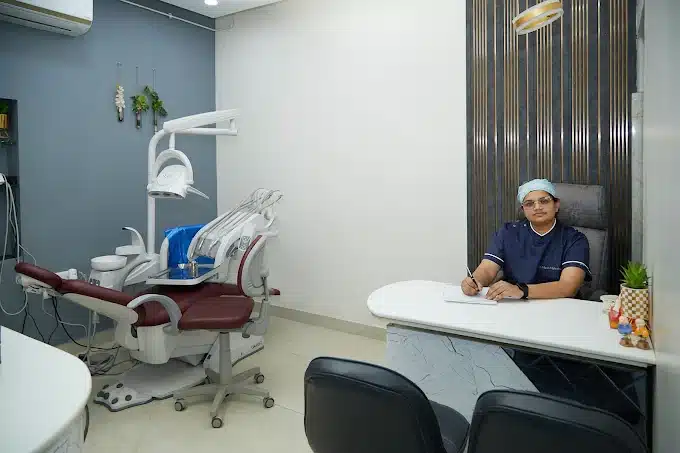
Dr. Mani MaheshwariBDS, FAAD, DSD
10+ years of experience
10+ years of experience
Why Patients Choose Our Clinic
Experienced dentist for dental implants in Krishna Nagar
Implant treatment runs across several months and several appointments, so it matters that the same dentist plans the case, places the implant and fits the final crown. Patients across Krishna Nagar and East Delhi come to the clinic for careful assessment and straight answers about what their case needs.
01
Assessed before it is plannedBone is checked on an X-ray first, so you are told plainly whether an implant is suitable.
02
The honest option, not the biggest oneIf a bridge or denture serves your case better, we say so.
03
One dentist through the whole casePlanning, placement and the final crown are handled by the same hands.
04
1,500+ patients treatedOver a decade of restorative and surgical dental experience.
05
Open 7 days a weekAppointments from 9:00 AM to 9:00 PM, which makes review visits easy to keep.
Patient Reviews
What patients say
Patients consistently rate the clinic Excellent on Google, and reviews most often mention the clarity of the plan and how comfortable the procedure was.
Frequently Asked Questions
Common questions about dental implants
What patients ask most often about suitability, comfort, treatment time and how long implants last.
Ask the DentistWhat is a dental implant?+
It is a small titanium post placed into the jawbone to take the place of a missing tooth root. Bone bonds onto its surface over a few months, and a crown, bridge or denture is then fixed on top of it.
Can anyone get a dental implant?+
Most people who are healthy enough for a routine tooth extraction can be considered. What matters is healthy gums, enough bone to hold the implant and a commitment to cleaning it properly. Uncontrolled diabetes, heavy smoking and some medical treatments need assessing case by case.
Is getting an implant painful?+
The placement is done under local anaesthetic and most patients report less discomfort than a tooth extraction. Mild soreness and swelling for two or three days afterwards is normal and settles with ordinary painkillers.
How long does the whole treatment take?+
Usually three to six months from placement to final crown, because the bone needs that time to bond to the implant. The appointments themselves are short. Cases needing bone grafting take longer.
What if I do not have enough bone?+
Bone loss is common where a tooth has been missing for years. Depending on how much is left, the site may be built up before or during placement, or a different implant position may be planned. The X-ray at the consultation tells us which applies.
How long do dental implants last?+
The implant itself is designed to last decades and often a lifetime. The crown on top may need replacing at some stage, as any crown does. Long-term success rates reported in dental research are above 95%, and cleaning and smoking are the two biggest factors that affect them.
Can all my teeth be replaced with implants?+
Yes. A full upper or lower jaw can be restored with fixed replacement teeth carried on a set of implants, or a denture can be anchored onto implants so it no longer moves. Both are planned in stages over several months.
How do I look after an implant?+
Brush and floss it as you would a natural tooth, clean carefully around the gum margin, and come in for a check and professional cleaning every six months. Implants do not decay, but the gum and bone around them can become infected if plaque is left to build up.