
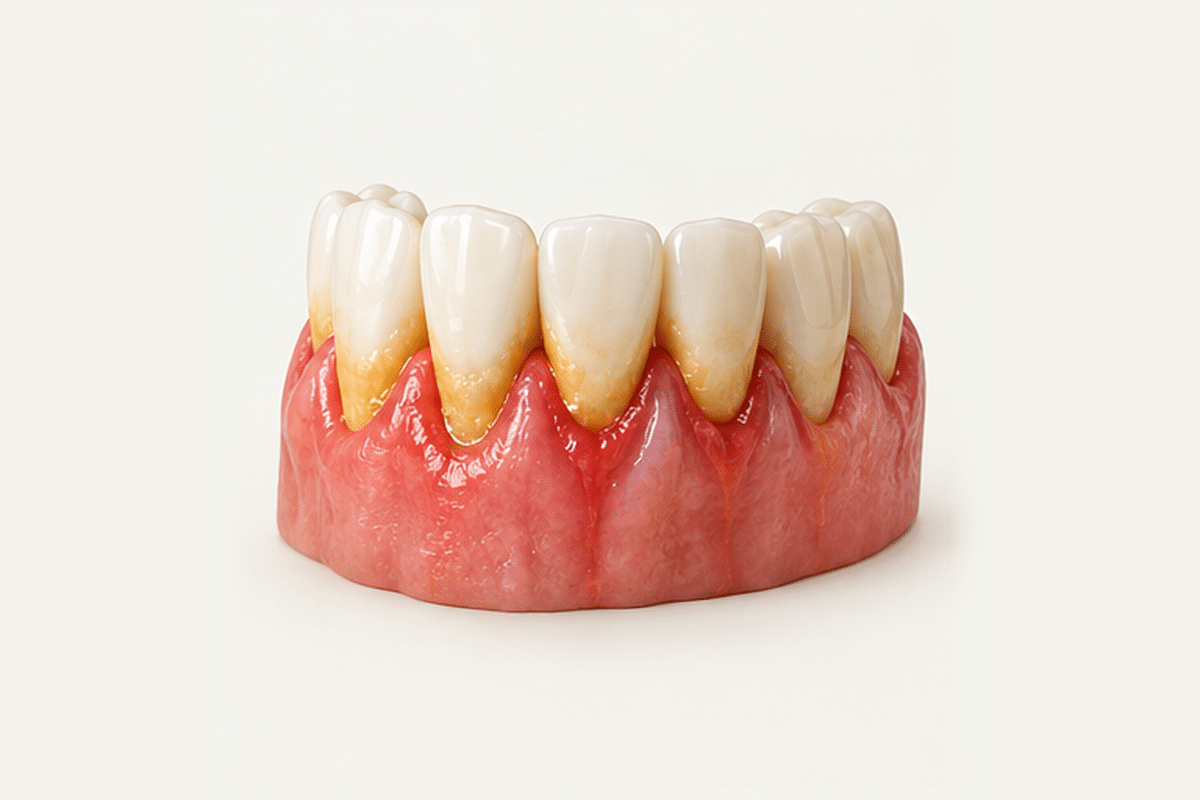
Many patients are surprised to be told they need a “deep clean” rather than a normal clean. The difference comes down to where the plaque and tartar are – above the gumline, or down in pockets below it.
Knowing the difference helps you understand your treatment plan and why some cleans take more than one visit.
Key takeaways
- A routine scale and polish cleans above and just below the gumline.
- A deep clean (root planing) cleans deeper pockets caused by gum disease.
- Your dentist decides based on pocket depth, bleeding and X-rays.
- Scaling does not loosen or weaken healthy teeth.
What a routine clean involves
A dental check-up and clean removes plaque and tartar from the tooth surfaces and just under the gum edge, followed by polishing to remove surface stains. It usually takes one visit and is recommended every six months for most people.
What a deep clean involves
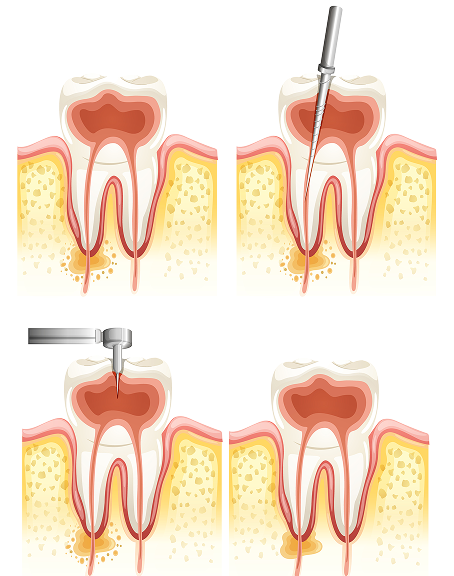
A deep clean, or root planing, is used when gum disease has created pockets around the teeth. Tartar and bacteria are cleaned from the root surfaces below the gums, and the roots are smoothed so the gums can reattach. It’s done under local anaesthetic and is often carried out one section of the mouth at a time.
Side-by-side comparison
| Scale and polish | Deep clean | |
|---|---|---|
| Area cleaned | Above and just below gumline | Deep in gum pockets |
| Anaesthetic | Usually not needed | Usually needed |
| Visits | One | One to four |
| Who needs it | Healthy gums or gingivitis | Periodontitis |
How your dentist decides
- Pocket depth: Healthy pockets are 1–3 mm; deeper pockets need deep cleaning.
- Bleeding: Bleeding on probing shows active inflammation.
- Bone level on X-rays: Bone loss indicates periodontitis.
- Tartar below the gums: Hard deposits under the gum need deeper cleaning.
Does scaling weaken teeth?
No. This is a common myth. Scaling removes tartar; it doesn’t remove tooth. Some people feel teeth are slightly loose or sensitive after a clean because tartar had been filling gaps or covering exposed roots. As gums heal, they usually tighten.
After your clean
If you notice swelling or severe pain after treatment, contact our emergency dentist. For routine cleans, book at our dental clinic in Krishna Nagar.
Do
- Brush gently twice a day
- Use desensitising toothpaste if teeth feel sensitive
- Clean between teeth daily
- Return for maintenance visits
Don’t
- Skip follow-up appointments
- Smoke while gums heal
- Brush hard on tender areas
- Stop cleaning because gums bleed
Frequently asked questions
Is a deep clean painful?
It’s done under local anaesthetic, so most patients are comfortable. Gums may be tender for a few days.
How often do I need a clean?
Usually every six months, or every three to four months if you’ve had gum disease.
Does scaling make teeth sensitive?
Mild sensitivity for a few days is common and settles.
Can I just have a polish?
Polishing removes stains but not tartar. Scaling is needed for healthy gums.
Why does a deep clean take several visits?
Each section of the mouth is numbed and cleaned thoroughly, so it’s often split across visits.
This article is general information and isn’t a substitute for a dental examination. If you have pain, swelling or a dental injury, please contact a dentist.
Previous article In-Clinic Whitening vs Take-Home Kits: Which Works Better?